

 Hospitals in Miami
 Doctors in Miami
 Stem cells. Umbilical cord blood
 Car rental
 Housing Rental
 Yacht rental
 Document processing
 IVF in the United States
 Vacation and Leisure in Miami
 UA
UAOn Guard for Health
Stem cells.
Umbilical cord blood.
Sun Flower Family. We are always ready
to provide you with complete and accurate
information about the terms and
cost of stem cell storage.
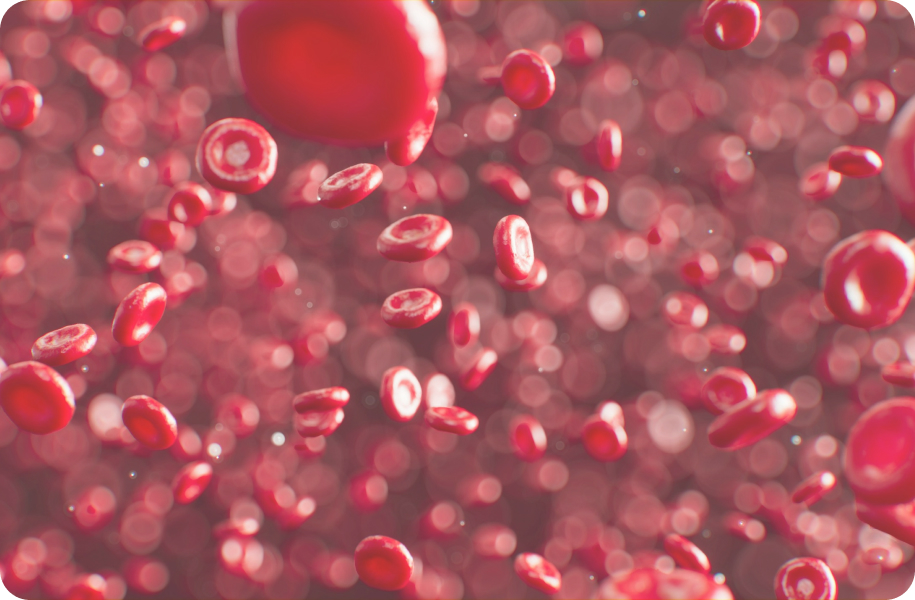
Preserving Stem Cells from Umbilical Cord Blood
Today’s educated generation should be aware of and able to properly utilize medical advancements. When it comes to upcoming childbirth in the U.S., parents can learn a great deal about the option of freezing a newborn’s umbilical cord blood, as well as about stem cells and cell therapies in general, which are already capable of addressing highly complex challenges in transplant medicine. This is truly important, as stem cells are already being used to treat many diseases in children and adults for whom drug therapy is ineffective. And in the near future, the number of diseases that stem cells can help combat will increase significantly.

Stem Cells
A Brief Medical Overview.
Stem cells are, so to speak, primitive, undifferentiated cells found in all multicellular organisms. Stem cells maintain their population through constant division and have the ability to differentiate into cells of other tissues in the body. In 1960, Canadian scientists discovered this type of cell, and extensive research into them began. The main sources of stem cells are bone marrow and umbilical cord blood.

Umbilical Cord Blood
Blood collected from the umbilical cord immediately after a baby is born is a highly valuable genetic resource, as the stem cells derived from it are compatible not only with the baby (a 100% match), but also to their blood relatives, and can thus help restore health and even save the lives of many people without a lengthy and costly search for a donor.
It is known that the umbilical cord, as an organ, has no pain receptors, so its clamping and, consequently, the collection of umbilical cord blood are safe for both the mother and the child. The ability to store stem cells for a long time (up to 15 years) in cryobanks is of great importance.

Stem Cell Storage
If you are giving birth in the United States and wish to store umbilical cord blood, you must select a cord blood bank and sign a contract with them before delivery. Immediately after delivery (10–15 minutes later, when the blood in the umbilical cord stops pulsating), a small volume of umbilical cord blood (200–250 ml) is collected into a sterile container, and the mother’s blood is tested for infection.
Test tubes containing the collected and tested material are stored in a cryobank, which is a secure and protected underground facility with an independent power supply.
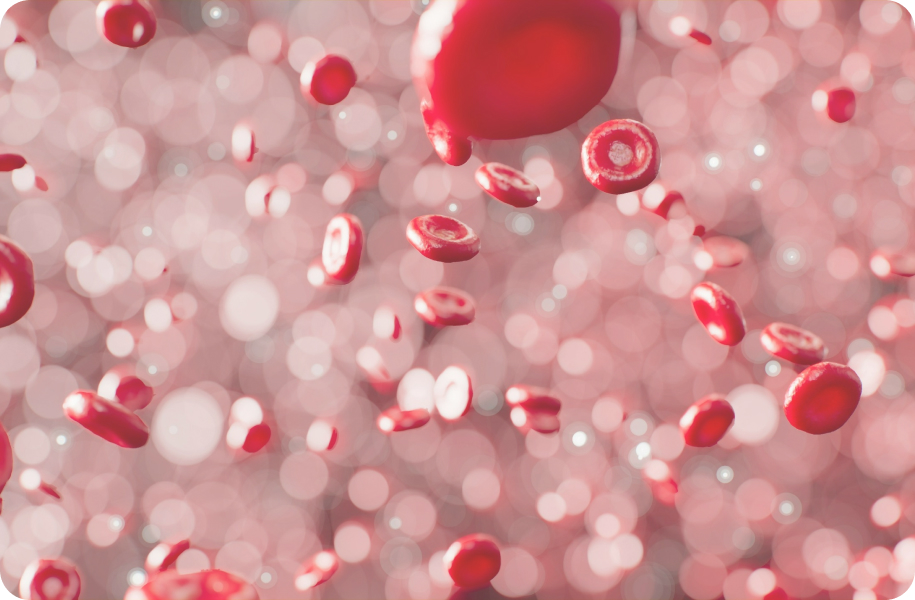
Cell Technologies: Guarding Your Health
Cell technology experts state that the probability of stem cells matching the body’s cells is:
- 100% – for the child from whose umbilical cord blood they were obtained
- 75% – for the child’s close relatives (parents, brother, sister)
- 33% for other people (distant relatives or unrelated individuals)
If you do not plan to store stem cells for your child or family members (that is your choice), you can still do a good deed for others at no cost to yourself by donating them to a public blood bank. In this case, thanks to your donation and the advances of modern medicine, many other people will have a chance at long-awaited healing.
To date, umbilical cord blood stem cells have been used in more than 30,000 transplants worldwide to treat diseases such as:
- Cancer
- Immune system deficiency
- Genetic disorders
- Blood disorders
What does the future hold? Umbilical cord blood and tissue are used in many clinical trials to treat conditions such as:
- Autism
- Heart disease
- Diabetes
- Alzheimer’s disease
- Parkinson’s disease
- Cirrhosis
- Ulcerative colitis
- Cerebral palsy
