

 Hospitals in Miami
 Doctors in Miami
 Stem cells. Umbilical cord blood
 Car rental
 Housing Rental
 Yacht rental
 Document processing
 IVF in the United States
 Vacation and Leisure in Miami
 UA
UA ру
ру ES
ESRecreation and leisure
Where would you like to go on vacation?
Start planning your perfect vacation with Sun Flower Family
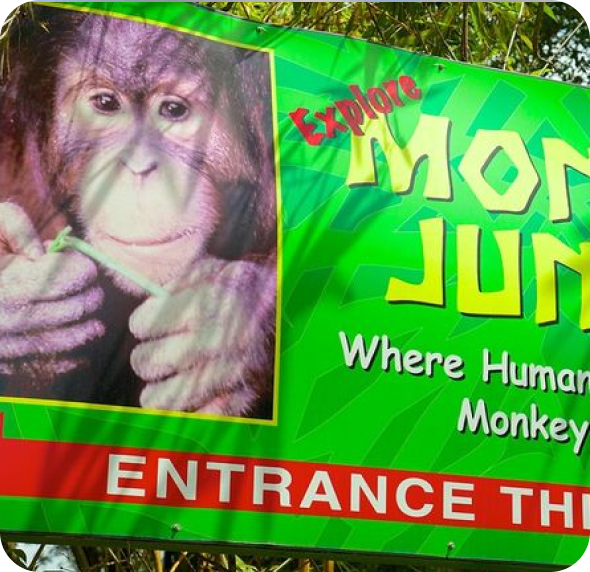
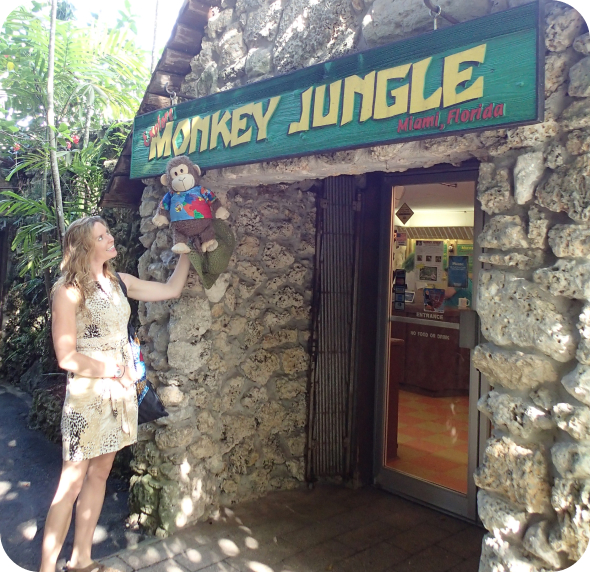
In 1935, Joseph Dumond, a researcher of animal behavior, brought six Asian monkeys to Florida and built a breeding facility to observe them. This small monkey zoo has since evolved into the now-famous Monkey Jungle.
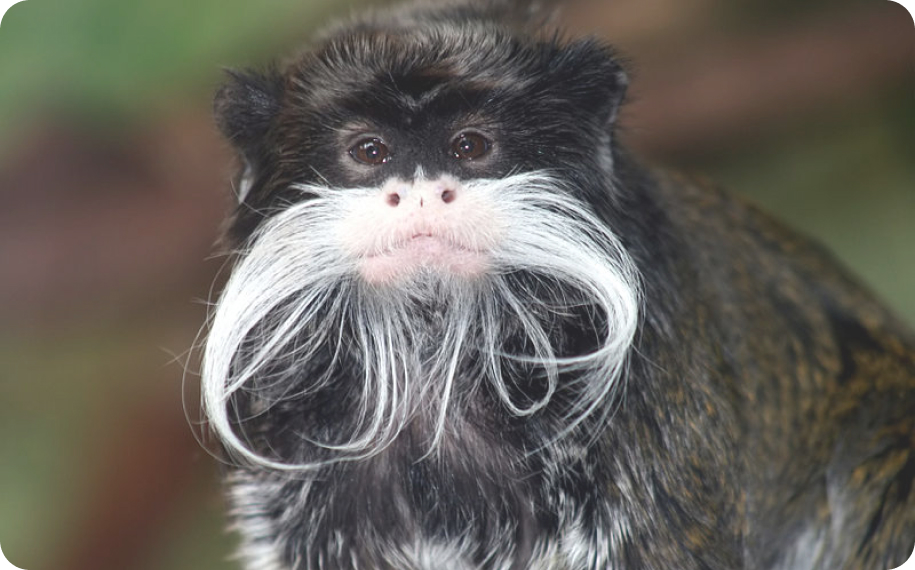
About 500 primates of 18 species live in a small (just 12-hectare) area of tropical forest. Among them are rare species such as the orangutan, the gorilla, and the golden lion tamarin—a small monkey from the Brazilian jungle that is endangered.
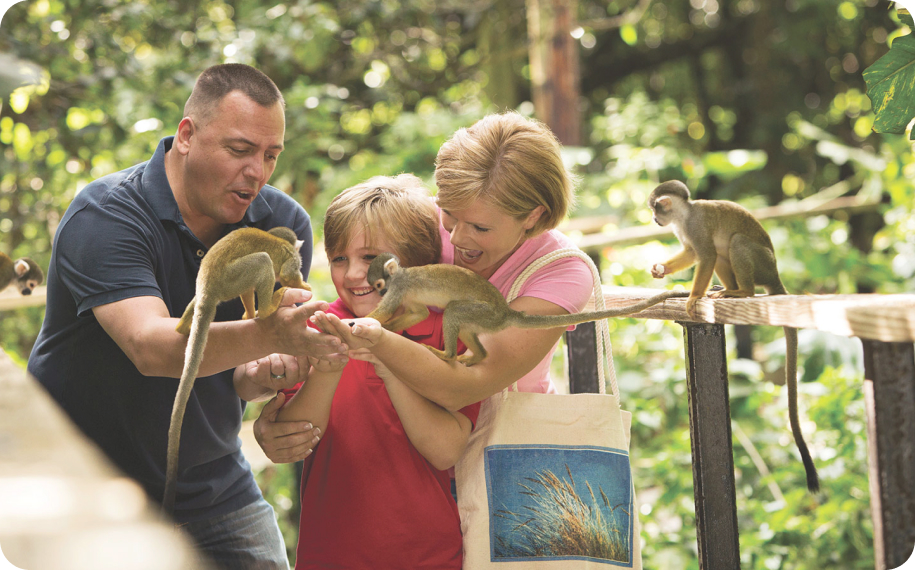
Visitors are greeted at the entrance by a sign that reads: “Here, people are in cages, and monkeys are free.” This means that natural living conditions have been created for the primates, and people can observe them through the fencing. You can feed the monkeys. Purchased treats can be placed in the feeders scattered throughout the park. There is a pond in the park, and you can throw treats into the water and watch as the monkeys retrieve them, sometimes even diving for them.
Currently, Monkey Jungle is run by the third generation of the Dumond family, and it is not just a breeding facility but a scientific and educational center that helps preserve rare and endangered primate species and introduces tourists to the lives of monkeys and the importance of natural habitats such as tropical rainforests.
For women who have come to the U.S. to give birth, as well as their family and friends, a tour of Monkey Jungle Park will be an interesting and educational way to spend their free time.
